Gut Health: The Silent Driver of Executive Performance.
25
May
Why Your Digestive System May Be Your Greatest Productivity Asset.
In today’s high-performance corporate landscape, leaders track metrics meticulously — revenue, growth, efficiency, ROI. Yet one powerful performance determinant often goes unmeasured:
Your gut health.
Your gut is more than a digestive tube. It is a complex, intelligent system influencing immunity, metabolism, mood, sleep, and cognitive clarity.
In boardrooms where decision fatigue, stress, and travel are routine, digestive resilience becomes a strategic advantage.
🔬 Understanding the Gut: More Than Digestion
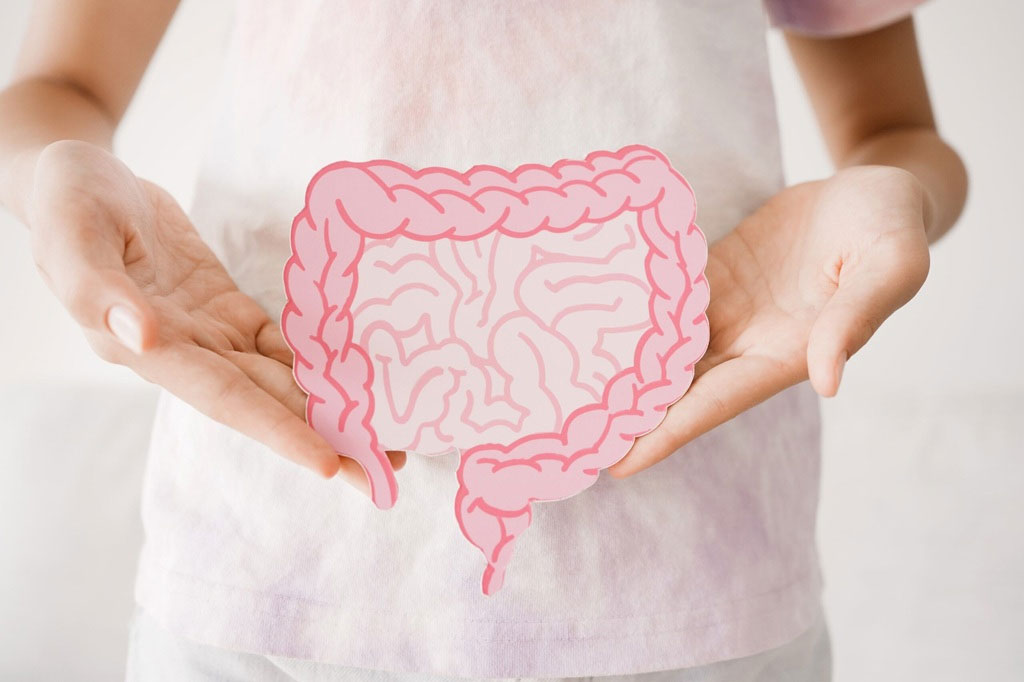
Your gastrointestinal system — including the stomach, intestines, and colon — performs three primary functions:
-
🍽 Breaks down food
-
🧬 Absorbs nutrients
-
♻ Eliminates waste
But the story goes deeper.
Inside your large intestine live over 1,000 species of microorganisms — bacteria, viruses, and fungi — collectively known as the gut microbiome.
These microorganisms:
🥗 Help digest complex foods
🧪 Produce essential nutrients
🔥 Regulate inflammation
🧠 Communicate with the brain
🛡 Support immune defenses
While some microbes can contribute to disease, many are essential for optimal health.
👉 What matters most? Diversity.
A highly diverse gut microbiome is increasingly recognized as a key marker of good health.
🔄 The Gut–Brain Axis
Early diagnosis and timely surgical intervention can help prevent complications and ensure faster recovery with improved long-term results.
Why Choose Dr. Falguni Varma?
Perhaps one of the most fascinating discoveries in modern medicine is the gut–brain axis, a communication network linking the digestive system and the brain.
The gut contains over 500 million neurons, earning it the nickname “the second brain.”
Even more surprising: the gut produces nearly 90% of the body’s serotonin, a neurotransmitter closely linked to mood, sleep, and emotional wellbeing.
This influences:
😌 Stress response
🙂 Mood stability
🎯 Focus and concentration
🌙 Sleep quality
⚡ Energy regulation
In high-pressure environments, chronic stress can:
Increase stomach acid
Disrupt gut motility
Alter microbiome balance
Leading to:
🤢 Bloating
🔥 Acidity
🚫 Constipation
IBS-like symptoms
😴 Fatigue
When nutrient absorption declines, subtle energy deficits follow.
For executives, digestive imbalance is not just discomfort — it is performance interference.
🧩 Why Gut Health Matters Beyond Digestion
Emerging medical research links gut health to:
🛡 Immune system strength
🧠 Mental health resilience
🔁 Autoimmune conditions. ( Rheumatoid Arthritis,psoriasis,Multiple sclerosis)
🩺 Endocrine disorders (including type 2 diabetes)
🌀 Gastrointestinal diseases (IBS, IBD)
❤️ Cardiovascular disease
🎗 Cancer risk. (Colon cancer)
🌙 Sleep regulation
The gut microbiome does not work in isolation — it influences nearly every organ system.
🚩 Red Flags: Signs of an Unhealthy Gut
There is no single test defining “gut health,” but warning signs may include:
Digestive Symptoms
💨 Gas and bloating
🔄 Constipation or diarrhoea
🔥 Heartburn
🤕 Abdominal discomfort
Systemic Signals
😴 Persistent fatigue
🌙 Poor sleep
😟 Mood changes
🤒 Frequent infections
Persistent symptoms warrant evaluation — not dismissal.
⚠ What Disrupts the Gut Microbiome?
Modern corporate lifestyles introduce multiple risk factors:
📈 Chronic stress
🕛 Sleep deprivation
🪑 Sedentary behavior
🍔 Ultra-processed foods
🍭 High sugar intake
🚬 Smoking
🍷 Excess alcohol
💊 Repeated antibiotic use
While genetics and environment play roles, lifestyle remains a powerful lever.
🏗 Building a High-Performance Gut
1️⃣ 🌾 Prioritize Fibre: Your Microbiome’s Fuel
Fibre supports bowel regularity and reduces the risk of:
❤️ Heart disease
🩸 Type 2 diabetes
🎗 Bowel cancer
Targets:
Women: ~25g/day
Men: ~30g/day
High-fibre sources:
🥦 Vegetables
🍎 Fruits
🫘 Legumes
🌾 Wholegrains
🥜 Nuts and seeds
🌱 Focus on Prebiotic Foods
Prebiotics act as fertiliser for beneficial bacteria.
Found in:
🧄 Garlic & onions
Chickpeas, lentils
🌾 Rye, barley, oats
🥜 Pistachios, almonds
🌈 Eat 30+ Plant Foods Per Week
Diet diversity supports microbiome diversity.
Aim for 30 different plant-based foods weekly.
Variety strengthens resilience.
🚫 Limit Ultra-Processed Foods
Often high in:
🍭 Excess sugar
🧈 Refined fats
🧪 Additives & emulsifiers
Instead prioritize:
🥗 Fresh vegetables & fruits
🌾 Wholegrains
🥛 Unflavoured dairy
🥚 Eggs
🐟 Seafood
🍗 Lean meats
5️⃣ 🫒 Choose Healthy Fats
Often high in:
🚫 Excess saturated fats may impair gut diversity
🐟 Omega-3 fatty acids (fish, flaxseeds) support balance
6️⃣ 💧 Hydrate Strategically
Water:
Assists nutrient absorption
Softens stools
May increase bacterial diversity
Avoid excessive cold water
Adequate hydration significantly reduces constipation risk.
7️⃣ 🍇 Include Polyphenol-Rich Foods
Polyphenols nourish beneficial bacteria.
Sources:
🌿 Herbs and spices
🍓 Colourful fruits & vegetables
🍵 Green & black tea
☕ Coffee
🍫 Dark chocolate
🥜 Nuts and seeds
8️⃣ 🧘 Eat Slowly and Mindfully
Rapid eating increases bloating and indigestion.
Chew thoroughly
Slow down
Step away from screens
Even performance-driven professionals benefit from mindful meals.
🥣 Add Fermented Foods
Fermented foods contain beneficial bacteria:
🥛 Yoghurt Buttermilk
🥬 Kimchi
🫙Kanji
🍚Fermented Rice( Pamala Bhat)
🌯Pickle
🍞 Sourdough
🫛green peas
Traditional cultures have long recognized their digestive benefits.
🔟🕘 Time Of Meal
Rapid eating increases bloating and indigestion.
🍽️ Late night Dinner should be avoided
At least 3 hrs between dinner and sleeping
😷 Fasting at least 10-12 hrs gap between dinner and breakfast .
🍦🥜🍿. Avoid munching in between meals
🎯 Executive Takeaway: Gut Health Is Strategic
Your digestive system influences:
⚡ Energy stability
🧠 Mental clarity
🛡 Immune resilience
😌 Stress tolerance
🌙 Sleep quality
For high-performing professionals, these are not secondary health markers — they are leadership essentials.
Investing in digestive health is investing in sustainable performance.
🚀 Performance Begins Within
In an era where burnout, metabolic disease, and chronic stress are rising among corporate professionals, gut health offers a powerful preventive focus.
Small, consistent adjustments can yield profound long-term returns.
Because true resilience — in business and in life — Starts from inside!