Best Hernia Treatment in Malad
Best Hernia Treatment in Malad
Hernia is a common medical condition that occurs when an internal organ pushes through a weak spot in the muscle or tissue. It may start as a mild swelling but can gradually become painful and serious if ignored. Seeking the Best Hernia Treatment in Malad at the right time can prevent complications and ensure faster recovery.
Hernias can develop in different areas of the body, most commonly in the abdomen. The condition is often associated with heavy lifting, obesity, chronic coughing, or previous surgeries. While some hernias may not cause immediate discomfort, they rarely heal on their own and usually require medical intervention.
One of the most noticeable symptoms of a hernia is a visible bulge or lump, especially when standing, coughing, or straining. This bulge may disappear when lying down but gradually becomes more prominent over time. Many patients also experience discomfort, pressure, or pain in the affected area.
Types of Hernia
There are several types of hernias, including inguinal hernia (groin area), umbilical hernia (near the navel), incisional hernia (at the site of previous surgery), and hiatal hernia (upper stomach area). Each type requires proper diagnosis and treatment based on its severity and symptoms.
In a fast-paced city like Mumbai, lifestyle factors such as lack of exercise, weight gain, and poor posture can increase the risk of hernia. Men are more prone to inguinal hernias, while women may develop umbilical or incisional hernias, especially after pregnancy or abdominal surgeries.
Symptoms
Common symptoms of hernia include swelling or bulge, pain while lifting or bending, heaviness in the abdomen, and discomfort during prolonged standing. In severe cases, patients may experience nausea, vomiting, or sudden intense pain, which may indicate a strangulated hernia requiring immediate medical attention.If You see any of these symptoms then visit Best Hernia Treatment in Malad.
A Hernia occurs when an internal organ or tissue pushes through a weak spot in the surrounding muscle or connective tissue. The most common symptom is a visible bulge or lump, especially in the abdomen or groin area. This bulge may become more noticeable when standing, coughing, or straining, and may disappear when lying down. Many people experience discomfort or pain at the site, which can range from a dull ache to sharp pain, particularly during physical activity, lifting heavy objects, or bending over.
Other symptoms can include a feeling of heaviness, pressure, or burning in the affected area. In some cases, especially with inguinal hernias, there may be swelling or discomfort around the testicles. If the hernia becomes trapped (incarcerated) or its blood supply is cut off (strangulated), it can cause severe pain, nausea, vomiting, and requires immediate medical attention.
Treatment depends on the severity. Small, painless hernias may only need monitoring, but most cases eventually require surgery. Hernia repair can be done through open surgery or minimally invasive laparoscopic techniques, where the weakened area is reinforced, often with a mesh. Early treatment helps prevent complications and ensures quicker recovery.
Treatment
When it comes to the Best Hernia Treatment in Malad early diagnosis is crucial. Doctors usually perform a physical examination and may recommend imaging tests like ultrasound or CT scan to confirm the condition.
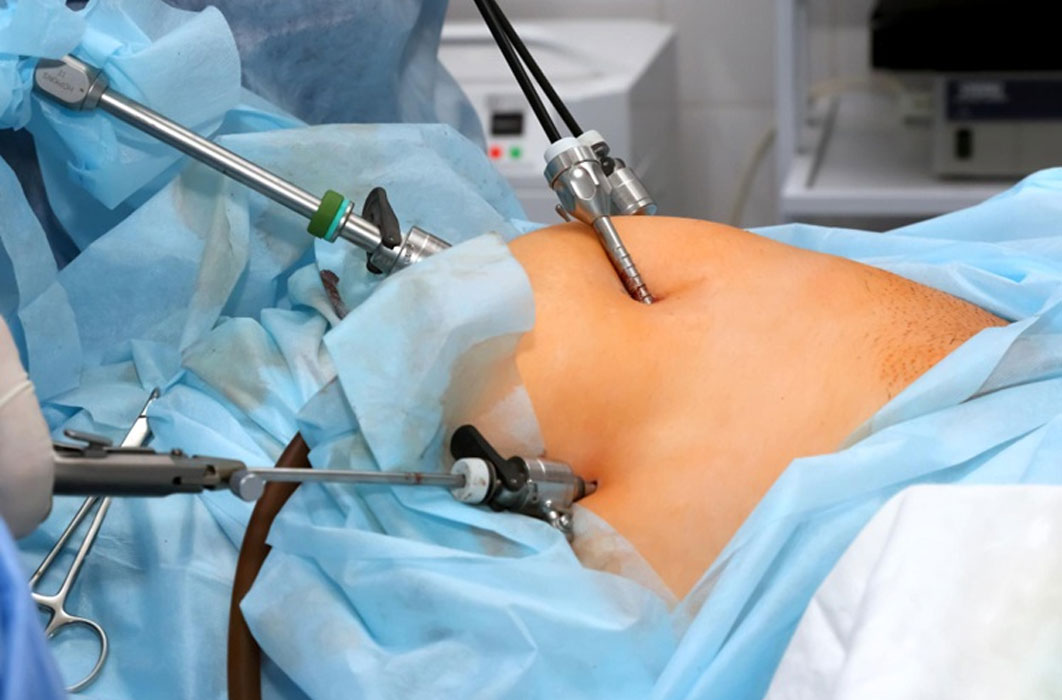
Small hernias without symptoms may be monitored, but surgery is the only permanent solution. Laparoscopic hernia surgery is widely preferred as it is minimally invasive, involves smaller incisions, less pain, and faster recovery.
In this procedure, a small camera and instruments are used to repair the hernia using a mesh for support. Patients can typically return to normal activities within a few days. In complex cases, open surgery may be required for effective treatment.
Modern advancements like robotic-assisted hernia surgery are also available, offering higher precision and quicker healing. Choosing an experienced surgeon ensures safe treatment and reduced chances of recurrence.
Causes
A Hernia occurs when an internal organ or tissue pushes through a weak spot in the surrounding muscle or connective tissue. It may begin as mild discomfort but can gradually worsen if left untreated. If you are looking for the Best Hernia Treatment in Malad understanding what causes a hernia can help you take timely action.
Hernias often develop due to a combination of muscle weakness and strain. In some cases, individuals are born with weaker abdominal muscles, making them more vulnerable. Physical strain is another major factor, especially from lifting heavy objects without proper support or technique. Over time, this repeated pressure can create openings in the muscle wall.
Chronic coughing or sneezing, commonly seen in smokers or those with respiratory conditions, can also contribute to hernia formation by constantly increasing abdominal pressure. Similarly, obesity plays a significant role, as excess body weight continuously stresses the abdominal area and weakens muscle strength. Conditions that cause straining, such as constipation or difficulty during urination, further add to this pressure and increase the risk.
If you are experiencing symptoms of a hernia, do not delay treatment—especially if you are looking for the Best Hernia Treatment in Malad.Early consultation with Dr. Falguni Verma can help prevent complications and ensure better health outcomes. A hernia does not heal on its own, and the only permanent treatment is surgery. While medications, belts, or lifestyle changes may provide temporary relief, they do not address the underlying muscle weakness. Surgical treatment, whether through open surgery or laparoscopic (keyhole) methods, is the most effective solution and often involves placing a mesh to strengthen the affected area. Even if a hernia is small and painless at first, it tends to grow over time, making early treatment a safer option with quicker recovery. Delaying surgery can increase the risk of serious complications, such as severe pain or strangulation, where the blood supply is cut off and emergency care is required. Overall, timely surgical intervention offers a safe, reliable, and long-term cure, allowing most patients to return to normal activities within a few weeks.
Recovery
Recovery after hernia surgery is usually quick with laparoscopic techniques. Patients are advised to avoid heavy lifting and follow a healthy diet. Maintaining proper weight and lifestyle changes help prevent recurrence.
Frequently Asked Questions
1. What is a hernia?
A hernia occurs when an organ pushes through a weak spot in the surrounding muscle or tissue, causing a visible bulge.
2. Can hernia heal without surgery?
No, hernias do not heal on their own. Surgery is the only permanent treatment.
3. Is hernia surgery safe?
Yes, hernia surgery is safe, especially with laparoscopic techniques that ensure minimal pain and faster recovery.
4. How long does recovery take?
Most patients recover within a few days to a week after laparoscopic surgery.
5. What happens if hernia is not treated?
Untreated hernias can grow larger and may lead to complications like strangulation, which is a medical emergency.
6. What precautions should I take after surgery?
Avoid heavy lifting, maintain a healthy diet, and follow your doctor’s instructions for smooth recovery.